


Entertainment risks insurers often miss
Most film and television productions remain unaware that reputational risk insurance exists. By the time they discover it, the damage has already occurred.
The risk that arrives overnight
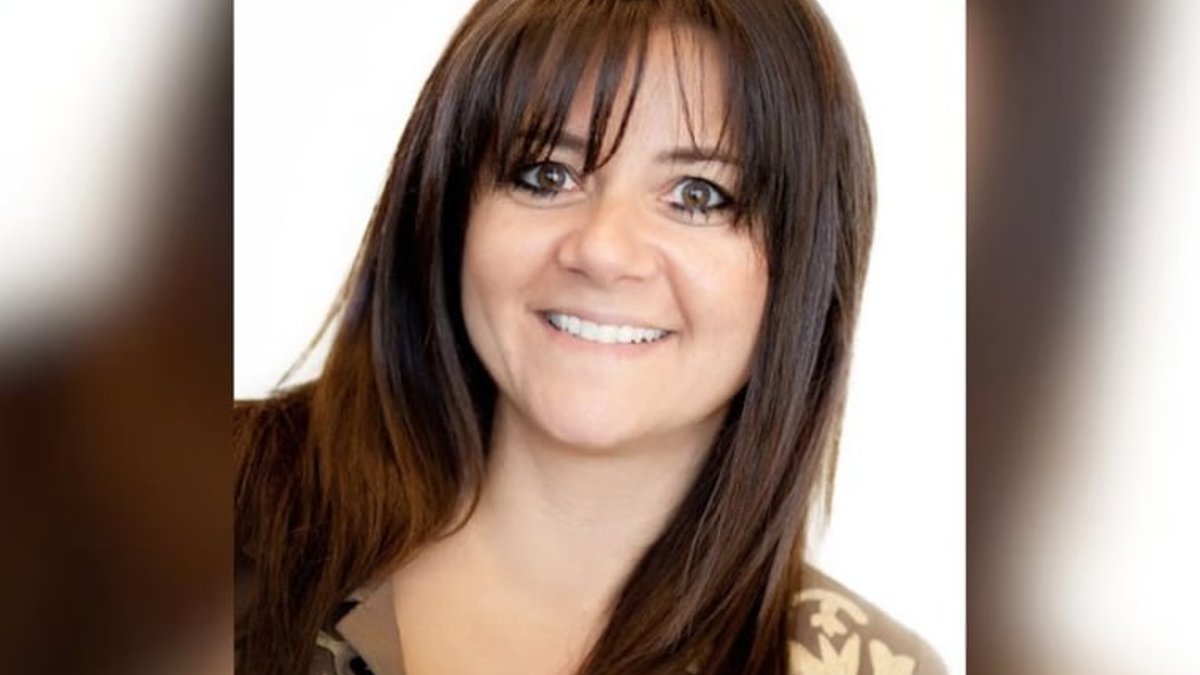
Nellie Lindner, national practice leader for films and entertainment at BFL Canada, said the most immediate threat to a production isn’t a budget overrun or a delayed shoot. It’s when a key figure’s reputation collapses.
If an actor, director, or producer faces serious allegations, sponsors and partners withdraw within hours. Contracts tied to that individual’s involvement dissolve. The financial impact is instant, and the consequences spread to everyone involved in the project.
Lindner cited Tiger Woods as a familiar case. Sponsors ended long-term partnerships with him almost immediately after controversy erupted. The same pattern occurs in entertainment, where a single viral claim can halt a production before cameras roll.
Related: Oxbridge Re launches AI-focused data centre division
Insurers assess the individual’s public profile, social media presence, and contractual exposure before providing coverage. Limits usually fall between $1 million and $5 million, but the policy must focus on the person, not the project.
Reputational risk moves quickly. A controversial statement or allegation can circulate on social media in minutes. Once it does, the harm is irreversible. Lindner explained that productions often wake up to a crisis they didn’t anticipate. Sponsors and partners may distance themselves at once.
Gaps the industry already knows—and ignores
Reputational risk isn’t the only overlooked exposure. COVID-19, for instance, remains uncovered by insurance. No policy addresses a new pandemic, leaving productions to handle the risk independently.
On-set safety measures have become stricter. A decade ago, visitors moved freely around sets. Now, access is restricted, and shared meals are replaced with pre-packaged options. Lindner emphasized that only authorized personnel should enter, and anyone feeling unwell must stay away.
Weather also poses a frequent problem. Cancellation insurance for outdoor shoots exists but is rarely purchased. A single storm can force costly reshoots, particularly in remote locations. Lindner noted that an entire day’s work might be lost, requiring rescheduling at additional expense.
Related: Asia’s private health insurance needs reform
Productions are advised to include buffer time in their schedules—about two weeks, by industry standards. However, tight budgets and deadlines often eliminate this flexibility. Lindner said many use every available day, leaving no room for unexpected delays. Without that cushion, a lost day becomes a direct financial loss.
The recurring issue is that productions avoid coverage for risks they can’t visualize. Reputational damage seems distant until a name becomes toxic. COVID felt unlikely until it disrupted everything. A weather delay appears avoidable—until the storm arrives.
Lindner stressed that the challenge is education. Few productions know reputational risk insurance exists as a separate product. By the time they recognize the need, the crisis has already struck.
Coverage is available, but productions must seek it before trouble starts.

Oxbridge Re launches AI-focused data centre division

Bayram finds his calling in scrap recycling
Related Articles

 Freight Corridors
