


SEC Proposes Crypto Capital-Raising Framework with Flexible Disclosures
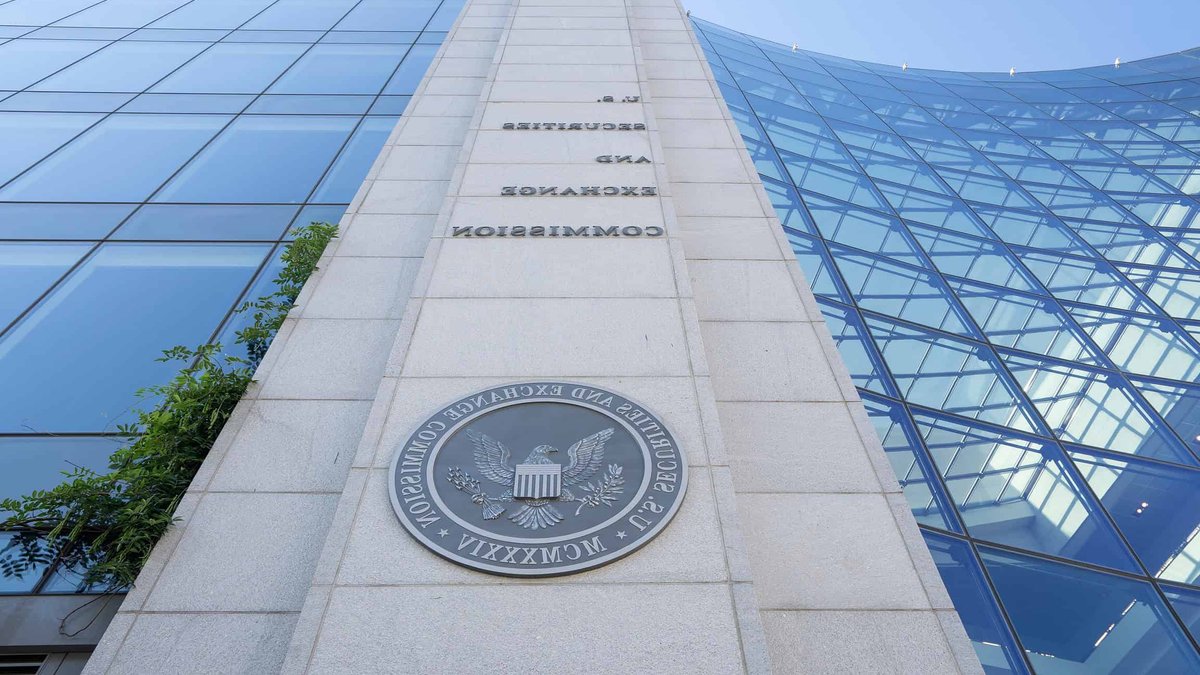
The Securities and Exchange Commission is weighing a new framework that would let companies raise capital using crypto assets instead of traditional equity or debt instruments. The proposal, dubbed Regulation Crypto Assets or Reg CA, was published for public comment in August and sets out distinct pathways for fundraising with digital tokens.
Capital Limits and Disclosure Flexibility
Under the current draft, issuers could raise up to $5 million over four years or up to $75 million annually. Those opting for the higher threshold would need to submit audited financial statements and comply with federal anti-fraud provisions. The structure mirrors elements found in existing rules like Regulation Crowdfunding and Regulation A, but with key differences in how disclosures are handled.
Reg CA allows issuers to offer principles-based financial disclosures rather than following a fixed checklist. This gives companies more leeway in deciding what information to share, aiming to emphasize substance over formulaic reporting. Non-accredited investors face no investment caps under the proposal, contrasting sharply with limits imposed by other small-offering regimes.
Investor Protections and Criticisms
Early feedback has focused on potential gaps in investor safeguards. Tilden Moschetti, an attorney with Moschetti Syndication Law, argued that the proposed protections fall short. “None of the proposed safeguards carries the weight the release assigns to it,” he said. “Principles-based disclosure does not verify anything. Antifraud liability arrives after the money is gone.”
Moschetti also questioned whether the $5 million cap meaningfully limits individual household exposure. Neil Osanto, founder of Persistence Analytics Group, echoed concerns in his comment letter. “Disclosure of a claimed condition is not the same as evidence that the condition has been achieved,” he wrote. “Where a material representation affects investor understanding or carries a regulatory consequence, the evidentiary standard should follow the consequence.”
Read Also: Citigroup CEO to lead finance conference
Safe Harbor and Industry Reaction
The proposal includes a safe harbor for investment contracts if issuers permanently stop or promise to stop essential managerial efforts tied to the token. A public filing demonstrating compliance would be required. If accepted, the SEC would treat the crypto asset as no longer meeting the statutory definition of a security under the Howey Test framework.
Benjamin Schiffrin, director of securities policy at Better Markets, described the exemption as a significant shift. “So this is just, as I said, kind of a gift to crypto,” he told Global Finance. His comments reflect broader skepticism about the SEC’s approach amid ongoing litigation against crypto firms. The comment period closes October 20, after which the commission will evaluate feedback before potentially revising and finalizing the rule.
Investment Limits and Regulatory Comparisons
The proposed rule under Reg CA differs from existing capital-raising methods in several key ways. Unlike Regulation Crowdfunding, Regulation A, and Regulation D, which set specific caps on fundraising amounts, Reg CA allows issuers to raise up to $5 million over four years or $75 million annually. Non-accredited investors face no investment limits under Reg CA, contrasting with Regulation Crowdfunding and Regulation A, which impose caps based on net worth. Regulation D permits private securities issuances of any amount but restricts offerings of $10 million or less to a maximum of 35 non-accredited investors.
Early comments on the 400-page proposal do not outright reject it but emphasize addressing perceived design flaws. Benjamin Schiffrin of Better Markets described the rule as a “gift to crypto,” highlighting the industry’s favorable treatment by the SEC despite ongoing legal challenges. The comment period ends October 20, after which the SEC will assess feedback and potentially revise the rule.


