


Trade Expert Warns Resource Race to Reshape Recycling
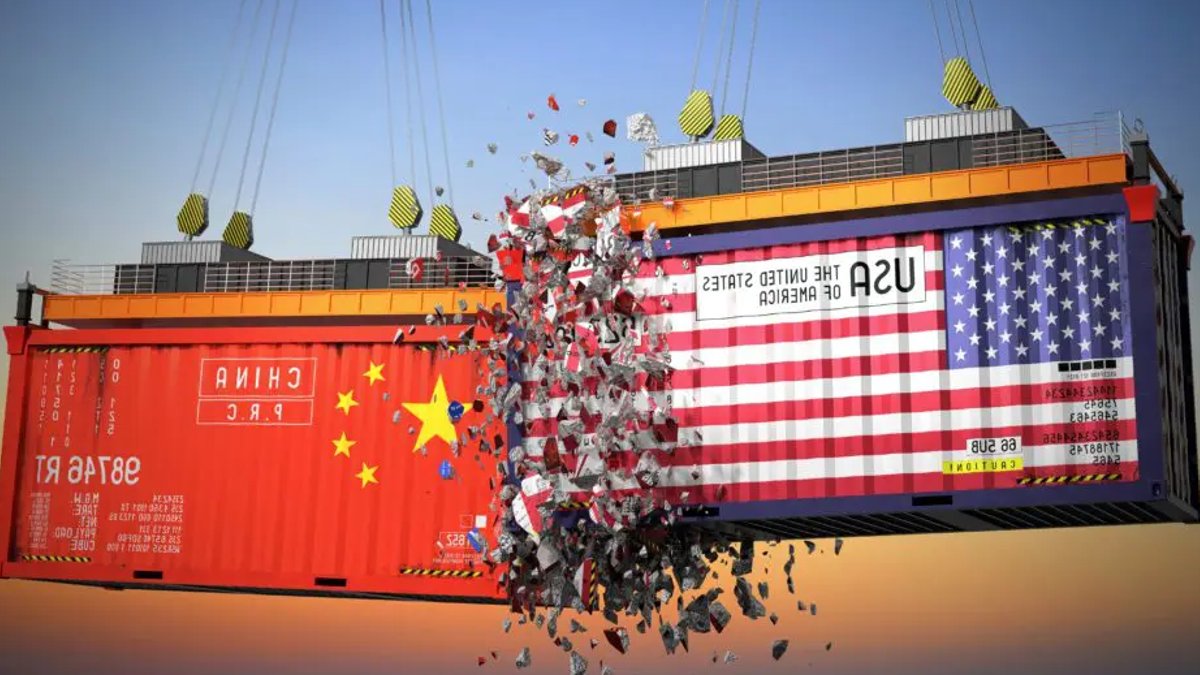
The global recycling industry stands at a threshold of major transformation as geopolitical realignments reshape demand for secondary materials, according to a trade expert speaking at a convention in Bangkok, Thailand.
Shifting Global Trade Rules
Juan Verde, who has advised three U.S. presidents on trade matters, told delegates at the Bureau of International Recycling’s World Recycling Convention that the rules governing free trade and the global economy no longer apply as they once did. Verde served as an advisor to Joe Biden, Barack Obama, and Bill Clinton.
“We are at a historic crossroads,” Verde said. “The rules that once applied to free trade and the global economy are no longer valid. We are witnessing the birth of a new world order that will have a significant impact on your industry in particular.”
The expert identified a major shift in geopolitical power driven primarily by the rise of China, alongside emerging trends in technology, supply chains, international conflicts, and protectionist policies.
Related: UK aluminium industry seeks clarity on CBAM
Race for Critical Resources
Verde argued one of the most significant consequences of these shifts is an intensifying competition for resources, particularly critical materials needed for emerging technologies. These include materials used in 5G networks, artificial intelligence systems, quantum computing, biotechnology, and space technology.
“This is transforming the world economy and it will transform your industry in ways we cannot yet fully understand,” Verde said, though he expressed confidence that a promising future awaits sustainability and recycling sectors.
The expert also noted growing trends toward regionalization and what industry observers call “friend-shoring,” where major economies like the United States bring key industries back home to secure their supply chains. Verde expects this new protectionism to push countries to invest heavily in expanding their domestic recycling capacity.
For communities and businesses that depend on material recovery, this shift could mean more stable access to processed secondary materials that were previously exported. It may also drive innovation in sorting and processing technologies as nations compete to build more efficient systems.
Related: Will ICC collect 1.3 million bottles September
The global sustainability agenda itself is not under threat, Verde told delegates. Instead, he characterized it as being “re-labelled” as governments frame environmental priorities through different policy lenses, though the underlying economic drivers remain unchanged.
Political Headwinds and Long-Term Direction
Verde acknowledged political uncertainty but maintained that the fundamental trajectory of the green transition remains unchanged. He addressed the return of Donald Trump to the White House, noting the president’s skepticism about climate change.
“The arrival of Donald Trump in the White House – a president who does not believe in climate change – does not change the direction,” Verde said. “It changes the speed at which this green revolution is taking place.”
Sustainability initiatives are not being phased out, Verde emphasized. They are being reframed. He expressed strong optimism about the sector’s prospects, telling attendees they are positioned in the right industry at the right time.

UK aluminium industry seeks clarity on CBAM


