


Iran tensions spike secondary plastics prices
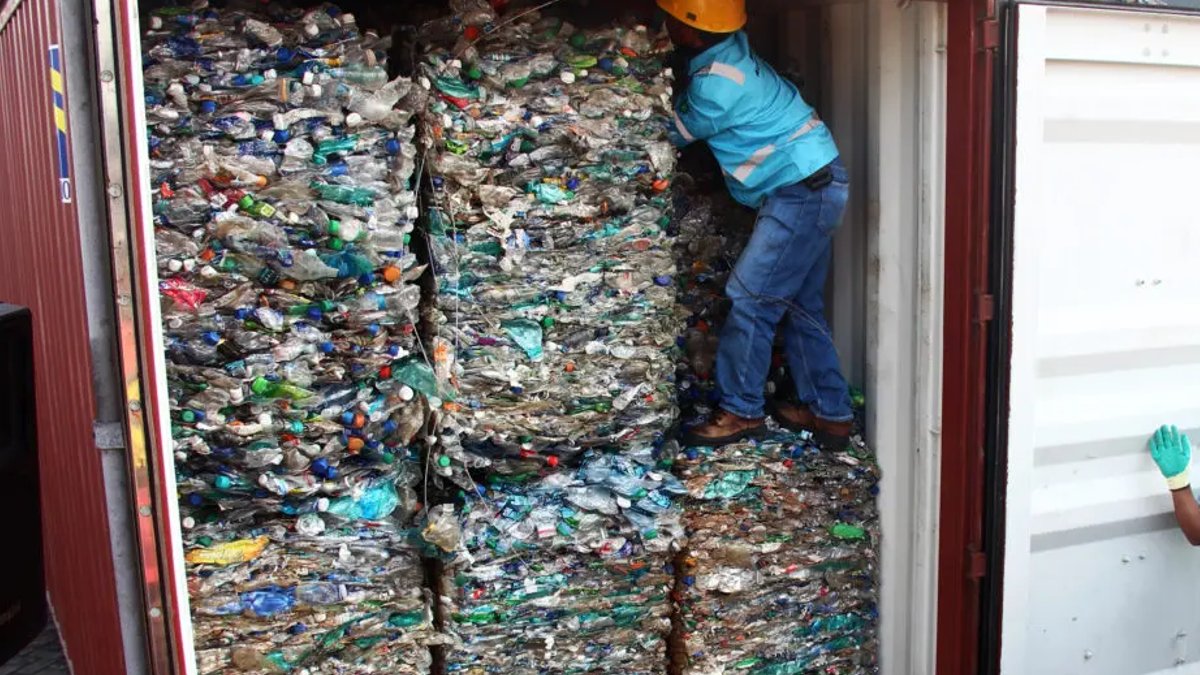
The fresh conflict between the US and Iran in the Middle East, particularly around the strategic Strait of Hormuz, has set the stage for significant implications in the recovered plastic sector, as per Henk Alssema, president of the plastics division at the Bureau of International Recycling (BIR). The recent reversal of the drop in crude oil prices, coupled with the subsequent increase in virgin polymer prices, typically prompts manufacturers to turn to secondary plastics, thereby benefiting the recycling industry. However, Alssema does not explicitly state that this shift could have profound and far-reaching effects on the global recovered plastic sector in the given source.
Alssema, in BIR’s latest Mirror market report, reflects on the recent developments, indicating that the situation in the Middle East could have ‘massive repercussions’ for the market moving forward. The timing of these events is noteworthy, as they occur during a period of softening demand in the plastics market. The holiday season traditionally sees plastics processors reduce their production levels, while buyers maintain significant inventories to hedge against potential supply disruptions. This slowdown in trading activity, coupled with competitively priced imported materials putting pressure on the European market, presents a complex setting for the recycling industry.
The key questions that Alssema posits are twofold: ‘what direction the Iran conflict will take’ and ‘how the market will develop after the holiday season’. The resolution of these uncertainties could significantly shape the trajectory of the recovered plastic sector. However, the potential recovery in demand during September, if inventories continue to decline throughout August and industrial activity resumes as expected after the summer break, is not explicitly stated in the source to suggest a more optimistic outlook for recyclers.
Related: Trade Expert Warns Resource Race to Reshape Recycling
Max Craipeau, another division board member, offers a different perspective on the plastic recycling crisis. He argues that the root cause lies not in imported recycled material, but rather in the ‘structural oversupply of virgin resin’. This oversupply is a result of abundant fossil feedstock and years of aggressive petrochemical expansion, with China being a major player in this trend. The annual capacity of Europe’s virgin PET industry stands at 2.6 million tonnes, a stark contrast to China’s PET output of some 17.5 million tonnes. This vast overcapacity sets the global price floor for virgin PET, HDPE, and PP, dragging down the price of recyclates which are produced through a more costly industrial process.
Craipeau contends that higher targets for recycled content in new plastic products are key. However, he does not explicitly state that Europe is no longer the benchmark in this regard, nor does he mention India’s or Nigeria’s specific plans for recycled content. In the context of the geopolitical situation, Craipeau concludes that ‘at rational virgin prices, recycling operates sustainably; against structural overcapacity, it cannot compete on price alone’. This stark reality shows the need for policy interventions and market stimuli to support the recycling industry.

Trade Expert Warns Resource Race to Reshape Recycling


