


Port Congestion Hits New High Amid Peak Season Strain
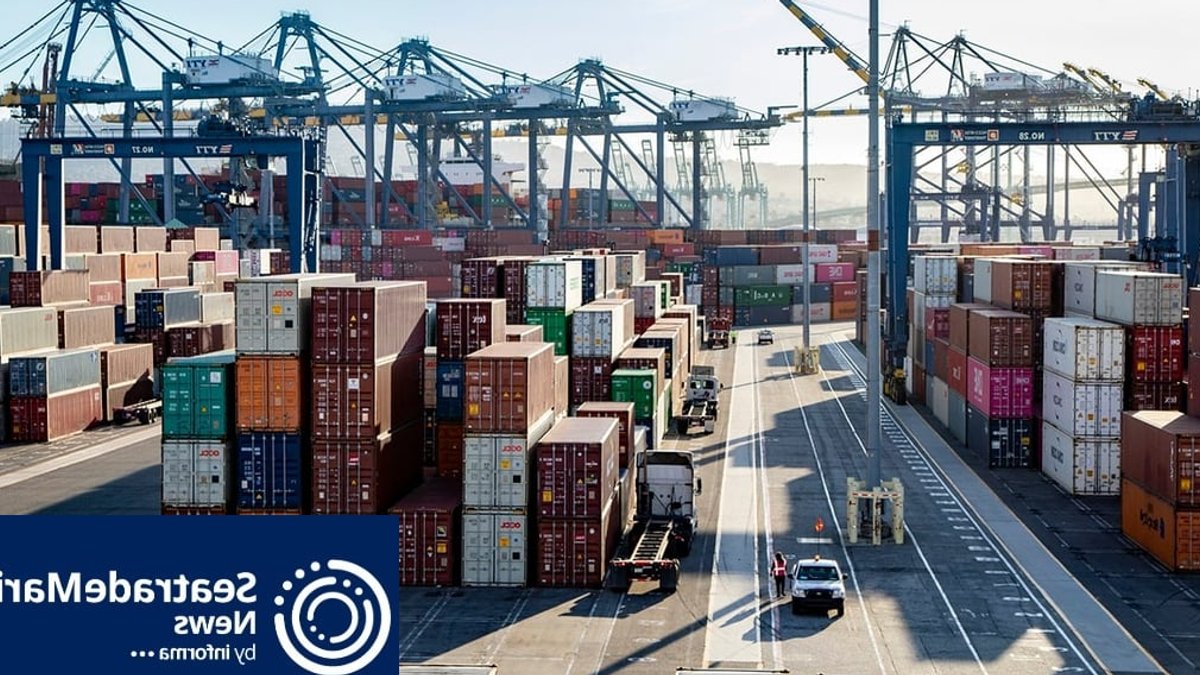
Port congestion has reached a new high on the global shipping network as the busy season on the Asia–Americas trade route continues to tighten. Demand for Asian exports remains strong, while severe weather has disrupted operations in key Chinese ports. According to an Ocean Freight Market Update from DHL Global Forwarding, the peak season on the Transpacific arrived early and has continued unusually late into the summer.
Inventory buildup and trade patterns
Shippers are building inventory ahead of the holiday season and anticipating the Chinese “Golden Week” in early October. US tariffs have not changed, so that demand remains stable. DHL Global Forwarding notes that transit and draught restrictions in the Panama Canal have limited carriers’ ability to increase capacity to the US East Coast.
While rates on the Asia–Europe route are easing as part of a regular late-summer, post-peak pattern, the Asia–Americas routes are seeing different conditions. The Shanghai Containerized Freight Index is up 143% year-on-year and 36% higher than when the peak season started in June. Asia–Latin America rates are also back to highs seen earlier in the season.
Backlogs and capacity strain
Severe port congestion is tying up an estimated 3.9 million TEU, a level matching the Covid peak in 2022. In China, multiple typhoons hit key ports in July and August, causing closures for several days. Only 21% of vessels into Shanghai arrived on time in July, creating massive backlogs and a global cascade effect.
In Northern Europe, yard capacity remains high, but reduced inland waterway connectivity due to low water levels is complicating logistics. Geopolitical instability is also causing disruption in the Middle East. The report suggests that carriers are gradually returning to the Suez Canal routing after two years of diversions, with a re-adoption slated on 18% of East–West headhaul sailings.
These adjustments to routing are being influenced by external factors, such as the potential for a Houthi ceasefire. If such a ceasefire is upheld, it is realistic to expect that carriers continue to gradually scale up their return to the Suez Canal. However, the report notes that the first meaningful return will take six to 12 months to normalize, even without further disruptions.
Outlook for shipping rates
Although the container ship fleet is expected to grow by 9.4% in 2027 and 15.2% in 2028, the report does not see this capacity increase immediately lowering rates. New vessel capacity may alleviate strain to a certain degree, but trade-specific peaks will prevail on the back of port congestion, trade demand divergence, and disruption from weather or geopolitics.


