


Will ICC collect 1.3 million bottles September
The International Coastal Cleanup is set to launch its next major effort on Saturday, 19 September, with volunteers expected in 100 countries to pull millions of plastic items from beaches and waterways.
Volunteers gear up for September cleanup
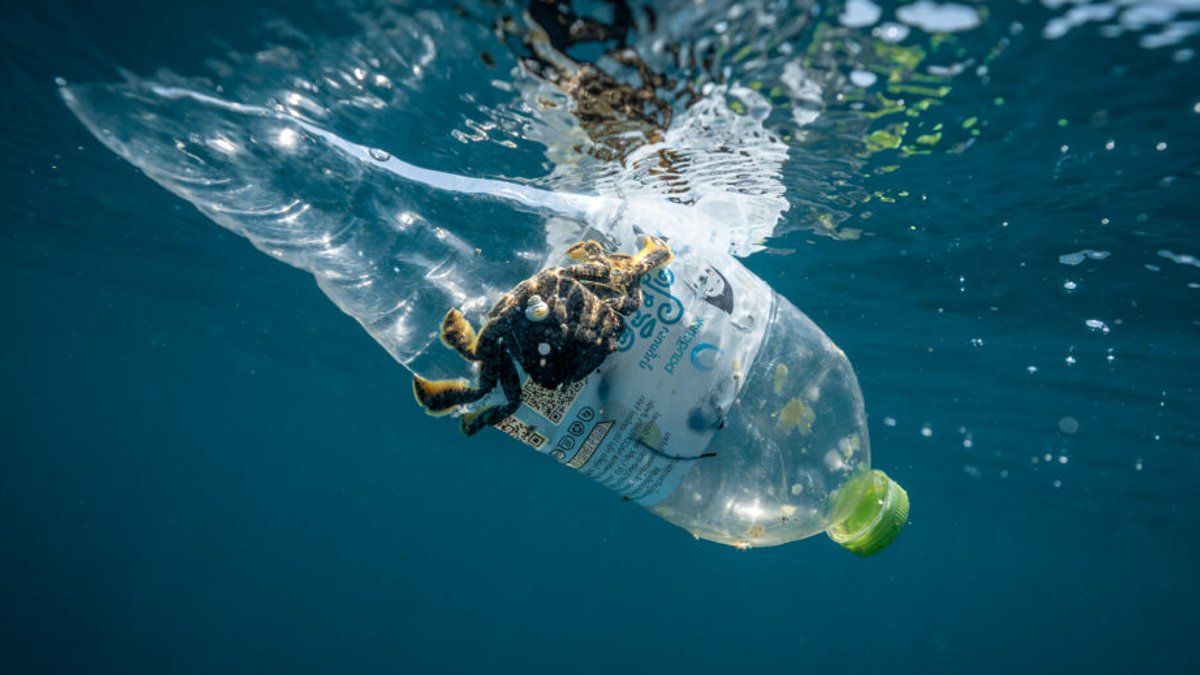
Last year, half a million participants gathered roughly 1.3 million plastic bottles, according to the organization’s report. This year’s event will again focus on single‑use containers, with collection points already established across North America, Bangladesh, Brazil, China and Italy.
Organizers anticipate that the haul will include a wide range of debris. In the 2025 cleanup, volunteers also recovered 886 000 bottle caps, ranking them as the second most common item after plastic bags. Other frequent finds listed in the top ten were food wrappers, containers, cigarette butts and straws.
“Most bottles are used for mere minutes and yet can last in the environment forever,” said Allison Schutes, senior director of conservation cleanups at Ocean Conservancy. Her comment shows the disparity between short‑term utility and long‑term persistence.
During the 2025 effort, a dead albatross was found after it swallowed a plastic bottle, a stark reminder of the threat that litter poses to marine life. Ocean Conservancy stresses that such incidents highlight the urgency of reducing plastic waste entering the oceans.
Related: Future of Recycling Takes Shape by 2036
Data from the ICC informs policy
Since its first event in 1986, the ICC has logged almost 20 million volunteers who together have removed about 185 000 tonnes of waste. The tally includes more than 4.2 million metres of marine rope and 2.2 million metres of fishing line.
The program’s database now holds records for nearly 440 million individual items. Researchers, government agencies and industry groups draw on this information to track pollution trends and evaluate the impact of regulatory measures.
One recent peer‑reviewed study, using ICC data from 2025, examined the effect of plastic‑bag bans. The analysis found that such bans cut environmental litter by 25 % to 47 % in jurisdictions where they were enforced.
“Increasing access to recycling, including bottle deposit returns, extended producer responsibility schemes and investing in reuse and refill infrastructure would go a long way,” said Anja Brandon, director of plastics policy at Ocean Conservancy.
At present, ten U.S. states run bottle‑deposit programs, and seven have adopted extended producer responsibility legislation since 2021. Nearly a dozen additional states are weighing similar actions.
For coastal communities, the upcoming cleanup could mean cleaner shorelines and fewer hazards for fishers who depend on healthy waters. When debris is removed quickly, it reduces the chance that larger items break down into microplastics that can enter the food chain.
Related: Drought Hits Dutch German Recyclers’ River Transport Costs
Long‑term outlook and community impact
Janis Jones, CEO of the ICC, reflected on the movement’s origins, noting that it began with two ocean advocates and a single‑state effort before expanding to a global phenomenon involving millions of participants in more than 160 nations.
The organization’s focus on detailed item tracking helps shape future regulations. By documenting where specific types of litter are most common, policymakers can target interventions such as container‑return schemes or bans on single‑use plastics.
While the scale of the cleanup is impressive, the underlying challenge remains: the sheer volume of plastic produced each year far exceeds the amount that can be collected in a single day. The ICC’s annual event serves as both a reminder and a catalyst for broader systemic change.
As the September date approaches, local groups are coordinating logistics, from arranging transport trucks to setting up sorting stations. Volunteers are urged to bring gloves, sturdy bags and a willingness to spend a few hours on the sand or riverbank.
In practice, the effort translates to cleaner recreational spaces for families, safer habitats for wildlife, and a visible reduction in the litter that often clutters tourist spots. The cumulative effect of many hands working together can shift public perception about plastic waste, making it a more immediate concern for everyday citizens.

Future of Recycling Takes Shape by 2036


