


Drought Hits Dutch German Recyclers’ River Transport Costs
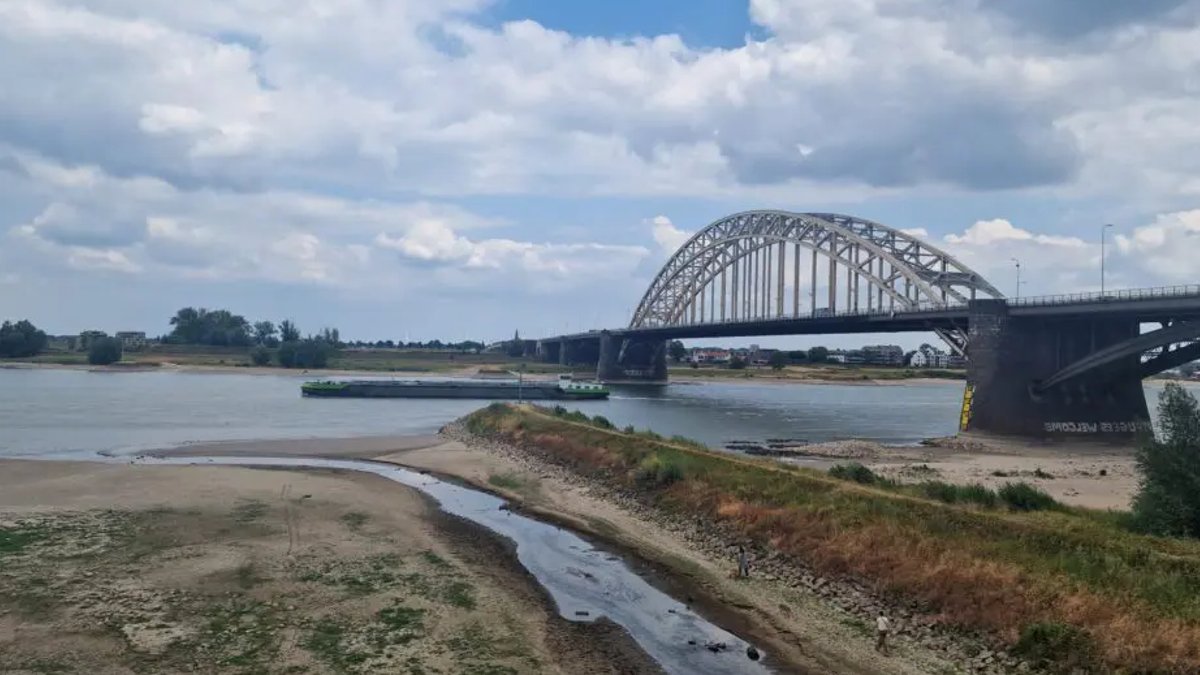
Drought has pushed water levels on key Dutch and German waterways to near‑record lows, forcing recyclers to rethink how they move scrap metal.
Waterway depths shrink, barge loads fall
On the Waal near Nijmegen the surface sits at about 4.5 metres, a height that experts say is close to historic minima. A drop of just 10 centimetres trims a barge’s payload by roughly 100 tonnes. Similar declines have been recorded on the Rhine, Danube and Elbe after weeks of scorching heat and scarce rain.
From the Waal Bridge, houseboats appear to be perched on mud while cargo vessels thread narrow deep‑water lanes, turning sharply to avoid grounding. Spectators often pause to watch the slow‑motion dance of vessels squeezing past each other.
Recyclers scramble to rewire logistics
At HKS Metals in Nijmegen, plant manager Bart van der Linden says the situation is “manageable on the short term” but admits transport is now the biggest hurdle. “Scrap is a sector that goes up and down. Right now, transport is currently our biggest challenge,” he notes.
Related: South Korea invests millions in smart recycling
The Twente Canal has been closed to shipping for the first time in its history, a decision the government “does not make lightly,” according to the manager. With the canal blocked, the firm’s Hengelo site has shifted from barges to trucks, even though summer typically sees a tighter pool of available lorries.
To keep costs down, the company rerouted some shipments through the River Maas. The detour adds distance, yet it remains cheaper than moving the entire load by road. “We’re working away at this puzzle the best we can, without having to incur extra costs,” the manager says.
The yard still processes around one million tonnes of ferrous and non‑ferrous scrap each year, and current feedstock levels are sufficient to avoid halting production. Storage capacity is being used strategically, but he warns that “we cannot store everything indefinitely.”
Export patterns have also shifted. German buyers usually take about a quarter of the output from the Nijmegen facility, but with water routes to Germany blocked, material is now being sent to customers in Spain via the port of Moerdijk. “So far, we’ve succeeded in finding a home for our recycled products every time, thanks to a dedicated sales and logistics team,” he adds.
Road haulage demand has surged sharply.
Related: IB talks resume at global summit
Compared with the usual summer slowdown, when fewer trucks are on the road, this drought forces a double‑edge pressure: the need for more road haulage coincides with a tighter trucking market. Past dry spells saw temporary rerouting, but the current depth reductions appear more prolonged, nudging companies toward longer‑term adjustments.
In Germany, the reduced water depths have slashed cargo vessel capacity by up to 75% on the Rhine corridor, driving freight rates up by as much as EUR 200 per tonne. Industries that rely on bulk shipments are feeling the pinch.
Fire safety has become a parallel concern. Drought heightens the risk of yard fires, so HKS has spaced scrap piles farther apart and shortened storage times. Thermal imaging cameras scan stockpiles for hotspots, allowing staff to act before a small spark grows. “This innovation is nothing new for us. We invested in this technology many years ago,” the manager remarks.
The manager remains pragmatic, noting that the yards are certainly not coming to a standstill and that the heat wave will eventually subside.

South Korea invests millions in smart recycling


