


Emirates Shipping bans plastic waste cargo
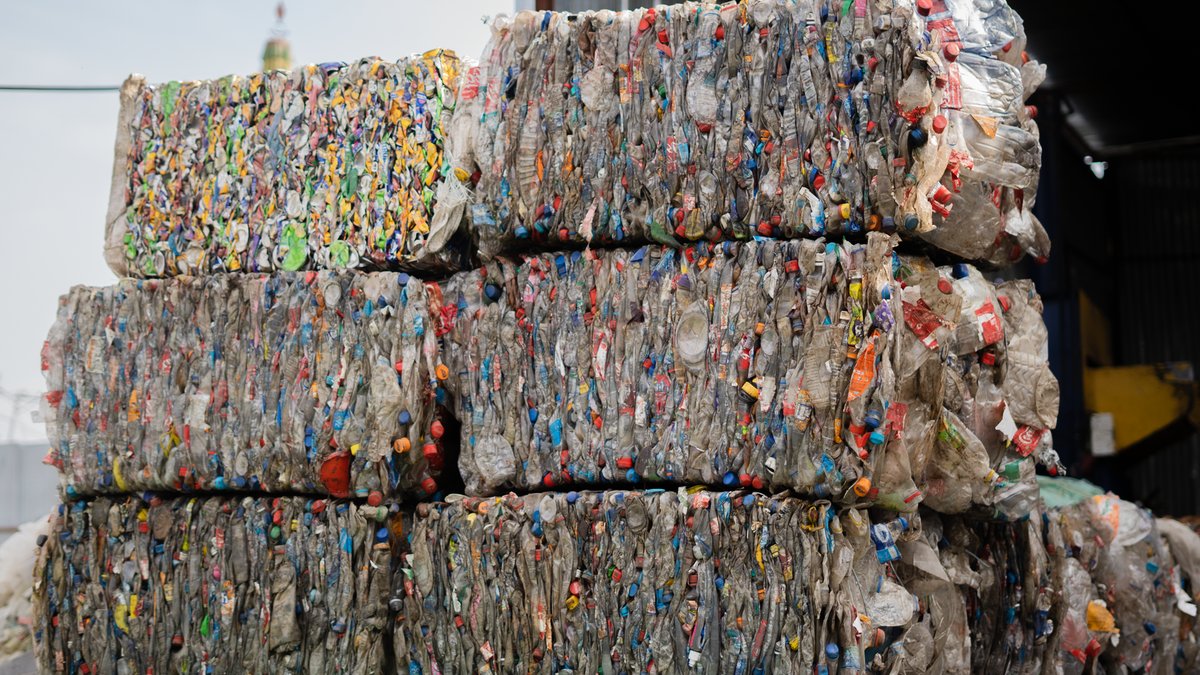
Emirates Shipping Line (ESL) will stop accepting waste plastics as cargo, starting from 1 October. The company issued a circular on 15 September, stating that this decision reflects their dedication to safeguarding marine ecosystems and preserving biodiversity.
ESL is the second container carrier to take this step, following a similar move by CMA CGM in 2022. The Basel Action Network (BAN), a charitable organization focused on ending the international trade of toxic waste, has been encouraging carriers to stop carrying plastic waste.
According to BAN, hundreds of tonnes of plastic waste are shipped daily from developed to developing countries, often for purported recycling but in reality, the waste is burned, dumped, or processed under unsafe conditions. ESL’s decision marks another major milestone in the fight to end the export of harmful plastic waste to developing countries.
Christopher Hudak, Senior Policy Advisor at BAN, said, “ESL and CMA CGM are proving that shipping companies can lead on this issue and still thrive, and BAN is calling on every other member of the World Shipping Council to follow their example.”
Michael Davies, COO and Regional Managing Director for Middle East, ESL, said, “We believe the decision to ban the carriage of plastic waste is the right step forward and reflects our focus on responsible and compliant shipping practices. We appreciate the advocacy and collaboration of organizations such as the Basel Action Network in helping drive meaningful progress across the industry.”
The decision by ESL and CMA CGM sets a precedent for other shipping companies to follow, and it may encourage more companies to prioritize responsible and compliant shipping practices. This development is significant for the people most affected by it, as it may lead to a reduction in the amount of plastic waste being exported to developing countries.
Plastic waste is classified under HS Code 3915, and the discontinuation of its acceptance as cargo by ESL is a step towards preserving biodiversity and safeguarding marine ecosystems. They are taking this step to help reduce the amount of plastic waste being exported to developing countries, which is a major problem that needs to be addressed.


