


Hong Kong insurer pivots to high-risk global projects
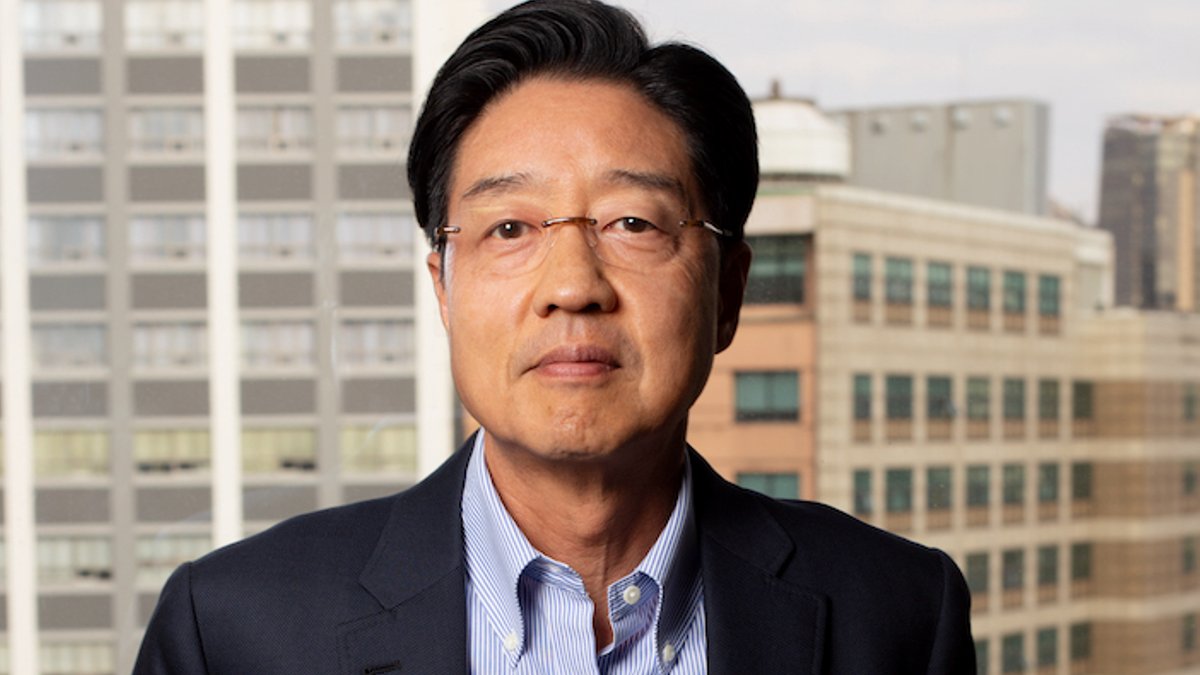
Michael Ahn assumed leadership of HDI Global’s Hong Kong office in November 2024, stepping into a role with a 30-year legacy in the region. The branch belongs to HDI, a German insurer established in 1903, but Ahn arrived determined to convert the established operation into a key growth driver for North Asia. His strategy departed from maintaining the status quo, instead focusing on a complete overhaul of the office’s approach over the following 18 months.
Under Ahn’s direction, staffing levels increased across property, liability, engineering, marine, distribution, and claims departments. The goal was to assemble a team equipped to handle sophisticated risks rather than simply managing existing business lines. This shift positioned HDI to address challenges that traditional insurance models could not.
HDI’s strength in Hong Kong lies in its ability to manage multinational insurance programmes. Many of the insurer’s clients—particularly semiconductor manufacturers from Taiwan and battery producers from South Korea—operate across multiple jurisdictions. Their primary challenge involves ensuring coverage remains consistent and functional across borders, rather than merely handling policy wording. Ahn highlighted a recent case where a South Korean client required a policy issued in Poland to cover local operations. The Hong Kong office served as the producing entity, coordinating with HDI’s European subsidiary to deliver the policy precisely as specified. This successful collaboration not only satisfied the client and broker but also opened discussions about supporting further Korean investments in Central and Eastern Europe.
Expanding into high-stakes industrial projects
The growth trajectory of HDI’s Hong Kong branch mirrors broader shifts in the region’s industrial environment. The team now handles multi-billion-dollar projects, including semiconductor plants in the United States, offshore wind farms in Taiwan, and electric vehicle battery manufacturers in Poland—all developed by North Asian corporate groups expanding internationally. These ventures introduce risks that standard insurance frameworks fail to address effectively.
For example, lithium-ion batteries present thermal runaway hazards, while semiconductors face severe contamination exposures. Offshore wind projects introduce technical demands far beyond conventional manufacturing risks. “These are sophisticated risks that require an engineering-led approach,” Ahn explained. Clients increasingly seek insurers whose engineers understand their operations rather than those relying solely on underwriting reviews.
This technical emphasis extends beyond policy issuance. HDI’s risk engineers collaborate directly with clients to identify vulnerabilities early in the process. They maintain underwriters’ expertise on emerging technologies, such as battery energy storage systems and electric vehicle transport risks. Modern offshore wind turbines now feature rotor diameters exceeding 250 metres and structures rising over 300 metres above water. Floating solar projects, driven by land scarcity in Taiwan, South Korea, and Japan, present comparable challenges. Instead of avoiding these risks, HDI evaluates them through structured underwriting and risk management frameworks.
The office’s growth strategy under HDI’s Xcelerate29 initiative prioritises market awareness over aggressive acquisitions. Many potential clients recognise the HDI brand but lack a clear understanding of its competitive advantages. Ahn pointed to the representative office in South Korea as a model, demonstrating how a lean presence can build visibility and encourage similar expansions across the region.
Related Post: Consultants Advise Firms to Assess Risks Before Insurance
Unlocking untapped specialty insurance markets
Hong Kong has already become one of HDI’s fastest-growing international branches, including in terms of profitability. However, Ahn identifies significant untapped potential. The current portfolio remains concentrated in traditional business lines, leaving specialty areas largely unexplored. “In some ways I see HDI as a bit of a sleeping giant, a big company with a lot of valuable capabilities that we haven’t fully tapped yet,” he observes.
The branch’s three-decade history in Hong Kong rests on a core principle: sustained commitment to specific industries. HDI does not pursue short-term trends but invests in sectors where it can deliver specialised expertise. This includes handling cultural and operational differences, as commercial decision-making in Asia often proceeds at a faster pace than in Europe. The local team ensures European headquarters remain informed in real time.
HDI’s engineering team in Hong Kong serves as a critical link between underwriting and client operations, embedding risk specialists directly into projects. Unlike traditional insurers that depend on third-party evaluations, HDI’s engineers conduct on-site assessments of semiconductor fabrication plants, battery storage facilities, and offshore wind farms. This hands-on methodology extends to supply chain audits, where engineers evaluate concentration risks in manufacturing clusters, such as those in Taiwan and South Korea, to ensure coverage aligns with operational realities.
The team’s technical expertise has become a defining advantage in high-risk sectors where few insurers operate. By drawing on past loss insights and strictly following engineering recommendations, HDI has built a strong market position as a highly experienced underwriter in the segment.
Engineering-driven solutions for emerging risks
While HDI’s Hong Kong branch has historically served traditional industries like shipping and manufacturing, Ahn’s strategy targets underpenetrated specialty lines where the office’s engineering capabilities can create a competitive edge. A key focus is expanding coverage for emerging technologies, particularly in renewable energy and advanced manufacturing. The office has begun piloting policies for floating solar projects in Taiwan and South Korea, where land constraints drive developers toward offshore installations. HDI’s risk engineers assess structural integrity, weather exposure, and mooring systems, factors often overlooked by conventional marine or energy insurers.
Another priority is high-tech manufacturing, where HDI’s engineers collaborate with semiconductor and battery producers to model contamination risks in cleanrooms or thermal runaway scenarios in lithium-ion facilities. The office has developed proprietary risk assessment tools for these sectors, which are now shared with HDI’s global underwriting committees. This has accelerated approvals for complex risks, such as a recent policy for a South Korean battery manufacturer expanding into Poland, where HDI’s technical pre-approval shortened the underwriting cycle from six weeks to under two.
The growth in specialty lines is supported by HDI’s global risk-sharing platform, enabling the Hong Kong office to access capacity from sister companies in Europe and Asia. For instance, a large offshore wind project in Taiwan, where turbine blades exceed 100 meters in length, was underwritten by combining resources from HDI’s German and Hong Kong teams. The collaboration ensured the client received a unified policy covering design, construction, and operational phases, an arrangement rarely offered by local insurers.


