


UAE expands shuttle tanker routes to dodge Hormuz
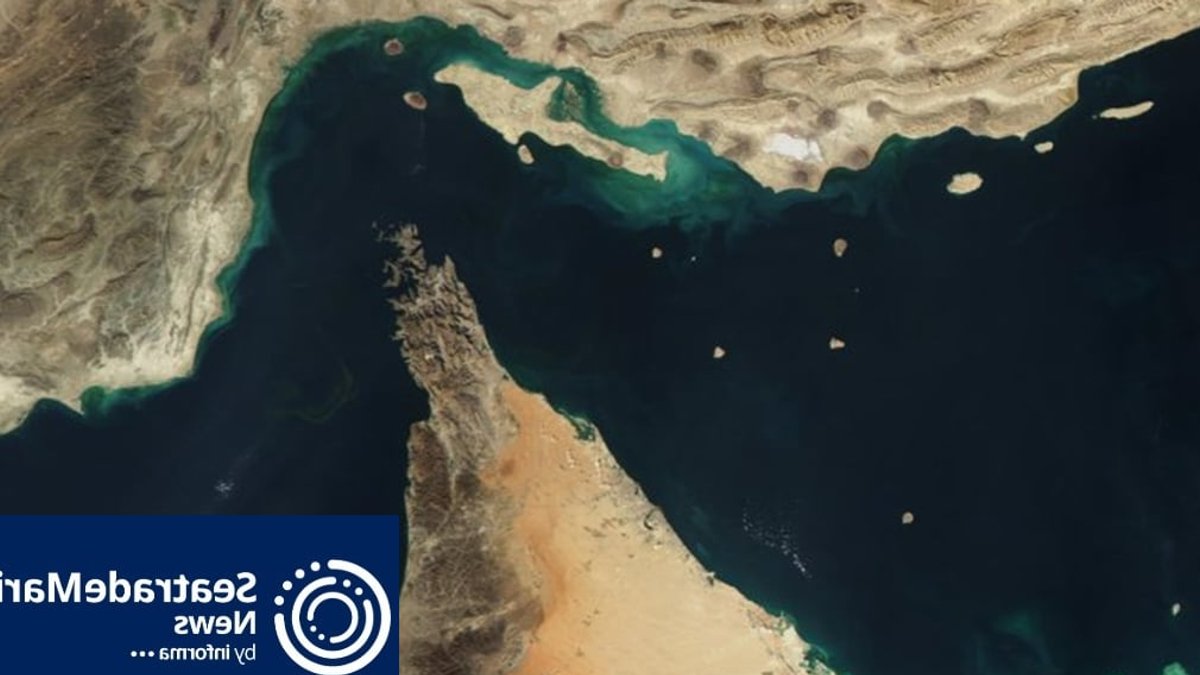
The use of shuttle tankers to transport oil from the Persian Gulf to the Gulf of Oman has become an increasingly important trend in the region, particularly for countries like the United Arab Emirates (UAE). This method of transportation involves loading oil onto a tanker in the Gulf, which then transfers the cargo to another tanker in the Gulf of Oman through a ship-to-ship (STS) transfer. The Cospearl Lake, a Hong Kong-flagged crude oil tanker, is one example of a vessel that has been using this method to transport oil from the Gulf to China.
Shuttle Tanker Operations
The Cospearl Lake’s cargo of 2 million barrels of crude oil was loaded in the Fujairah lightering zone in the Gulf of Oman, rather than being loaded directly in the Persian Gulf. This approach allows tankers to avoid sailing through the Strait of Hormuz, which has become a high-risk and costly transit route due to the ongoing Iran war. The UAE has been at the forefront of this process, with its state-owned company ADNOC Logistics & Services playing a key role in the shuttle trade.
Shuttle Tanker Operations
Shuttle tanker operations involve a network of tankers that transport oil from the Gulf to the Gulf of Oman, where it is then transferred to other tankers for onward transportation. The Mombasa B, a VLCC owned by Sinokor Maritime, is one example of a tanker that has been involved in these operations. The vessel has been chartered by the UAE’s ADNOC and has been making regular shuttle runs between the Gulf and the Gulf of Oman.
Regional exporters, particularly the UAE, have found the shuttle trade to be critical for maintaining their oil exports. The use of shuttle tankers has allowed these countries to maintain their oil exports, even in the face of disruption to traditional transit routes. However, the shuttle trade is not without its risks, and there have been several incidents of Iranian forces targeting tankers involved in these operations.
Risks and Challenges
The Mombasa B itself was targeted by Iranian forces in July, resulting in the death of an Indian crew member and injuries to several others. The attack did not put the tanker out of service, but it highlights the risks associated with these operations. ADNOC Logistics & Services has continued to expand its shipping capacity, announcing the acquisition of six VLCCs on the secondary market in August.
Other regional countries, such as Kuwait, have also been using their tankers for shuttle runs. The shuttle trade has become an important part of the regional oil market, with crude and condensate loadings from the Persian Gulf standing at around 5.8 million barrels per day in August.
Crude and condensate loadings have increased materially so far in September, hovering around 8 million barrels per day. A notable rise was observed in Iraqi loadings deep inside the Gulf, standing at around 2.6 million barrels per day so far this month. The shuttle trade can be viewed as being as important as existing regional oil pipelines, which countries like the UAE and Saudi Arabia have been relying on to reroute some volumes away from the Strait of Hormuz due to Iranian threats.
Shuttle Trade Expands
Buyers of Iraqi crude now reportedly have the option to pick up cargoes via STS transfers in the Gulf of Oman instead of having to load them within the Gulf. The shuttle trade has become a flexible network to keep oil moving amid the disruption in the Strait of Hormuz. However, it remains a workaround amid a war, requiring more tankers to keep increasing oil volumes and lacking the efficiency of conventional loadings of cargoes at terminals.
The current shuttle runs do not mean a return to pre-war loading averages in the Gulf region of around 20 million barrels per day of non-Iranian crude, condensate, and oil products. The shuttle trade is not immune to Iranian attacks, as data shows that some tankers involved in the shuttle runs have been targeted. If Iran’s own crude oil loadings remain constrained for a longer period due to the US naval blockade, there is a possibility that Iran may seek to further disrupt the shuttle runs.
On September 9, a storage tanker for fuel oil was struck in Iraqi waters by an unknown projectile. The incident highlights the ongoing risks associated with the shuttle trade and the need for continued vigilance from regional exporters and their partners. The Mombasa B is now on Iran’s list of 77 “non-compliant” vessels, and its continued involvement in the shuttle trade is likely to be closely monitored by Iranian forces.
Regional Cooperation and Risks
Iranian forces’ targeting of tankers involved in the shuttle runs, including the Mombasa B, has highlighted the risks associated with these operations. The addition of over 70 vessels to Iran’s blacklist of “non-compliant” vessels has further increased the risks for tankers involved in the shuttle trade. Despite these challenges, the shuttle trade is likely to continue, with regional exporters and their partners working to maintain the flow of oil amidst the ongoing disruptions in the region, with the Cospearl Lake’s voyage to Dalian, China, being a notable example of this trend.


