


Indian Ship Recycling Capacity Plunges Amid Regulatory Delays
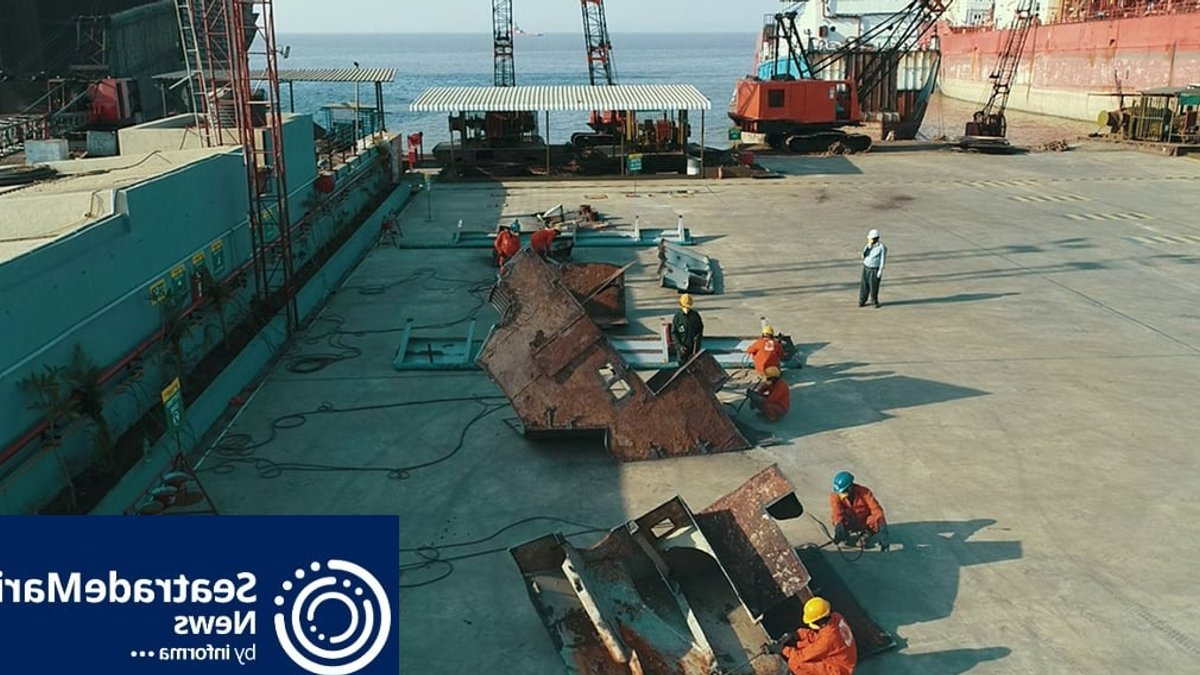
Regulatory delays have significantly impacted India’s ship recycling industry, reducing its capacity by more than half. Rakesh Khetan, CEO of Wirana Shipping, a major player in the ship recycling market, has urged Indian authorities to expedite the issuance of essential documentation.
The issue centers on the Documents of Authorisation for Ship Recycling (DASR), which shipowners require to identify qualified recycling yards. According to Wirana’s analysis, only 36-40 of India’s recycling facilities have obtained DASR, despite over 110 yards being certified under the IMO’s Hong Kong Convention.
Capacity Constraints and Market Impact
This delay has created a capacity constraint in an industry already facing fierce competition for end-of-life tonnage. War-driven charter rates keep many potential scrap candidates in profitable trading at sea. As a result, recycling yards have increased their offers by $10-15 per light displacement ton, a trend expected to continue for several weeks.
Khetan stressed the urgency, stating, “Shipowners are asking for DASR and they need a clear answer when considering a recycling facility.” He acknowledged the logistical challenges posed by India’s high number of HK Convention-certified facilities but emphasized that prompt action from authorities is essential to resolving these issues.
Broader Regulatory Challenges
The ship recycling sector faces additional regulatory hurdles. In February, the European Commission adopted the 15th edition of the European List of Ship Recycling Facilities, which included 41 facilities, none from the Indian subcontinent. This omission is significant, as most ships end their lives in this region.
Bimco Secretary General and CEO David Loosley highlighted the discrepancy, noting that many South Asian facilities meet or exceed EU standards. He stated, “The omission of South Asian facilities on the list is no longer just an administrative detail.”
Regulatory delays and broader challenges have created a complex situation, impacting the market and recycling yard operations. Authorities must act swiftly to ensure the sector’s stability and growth, as the industry faces these obstacles.
The European Commission’s list exclusion further complicates matters, as it limits options for shipowners seeking compliant recycling facilities. This, combined with the DASR delays, puts additional pressure on the Indian ship recycling industry.
With most ships ending their lives in South Asia, the region’s facilities play a critical role in global ship recycling. The current regulatory system, however, hinders their ability to operate efficiently and competitively.
Indian authorities need to address the DASR backlog and engage with international regulators to ensure South Asian facilities are recognized for their compliance with global standards. This two-pronged approach is vital for the industry’s future.
The situation demands immediate attention, as the industry’s capacity and competitiveness are at stake. Without swift action, the Indian ship recycling sector risks further decline, impacting both local economies and global maritime sustainability efforts.
As of now, the industry awaits a clear response from authorities, hoping for a resolution that will enable it to regain its footing and continue its essential role in the global shipping ecosystem.


