


Asia’s private health insurance needs reform
Nearly three million Asians were actively seeking private health insurance by the end of 2020, according to a recent study. That number accounts for less than 0.1% of the region’s 4.6 billion people, showing a significant gap in coverage.
Rising healthcare costs and the ongoing impact of the COVID-19 pandemic have strained government resources. Private insurers are now expected to fill the void, yet most continue using a transactional model focused on mortality and morbidity rather than addressing customer needs.
From risk charts to real relationships
Traditional insurers in Asia depend on actuarial tables and claims data, reducing policyholders to statistics. The move toward wellbeing—a broader approach that includes preventive care, chronic disease management, and lifestyle support—has been gradual despite growing demand.
Consumer expectations have shifted. People now seek tools that help them maintain health, not just financial protection. Insurers slow to adapt face losing relevance as digital-first competitors build loyalty through personalized engagement.
The change requires rethinking the entire customer journey. Underwriting and claims processes must become personal rather than procedural. Success will come to insurers that treat health as an ongoing relationship, not a one-time transaction.
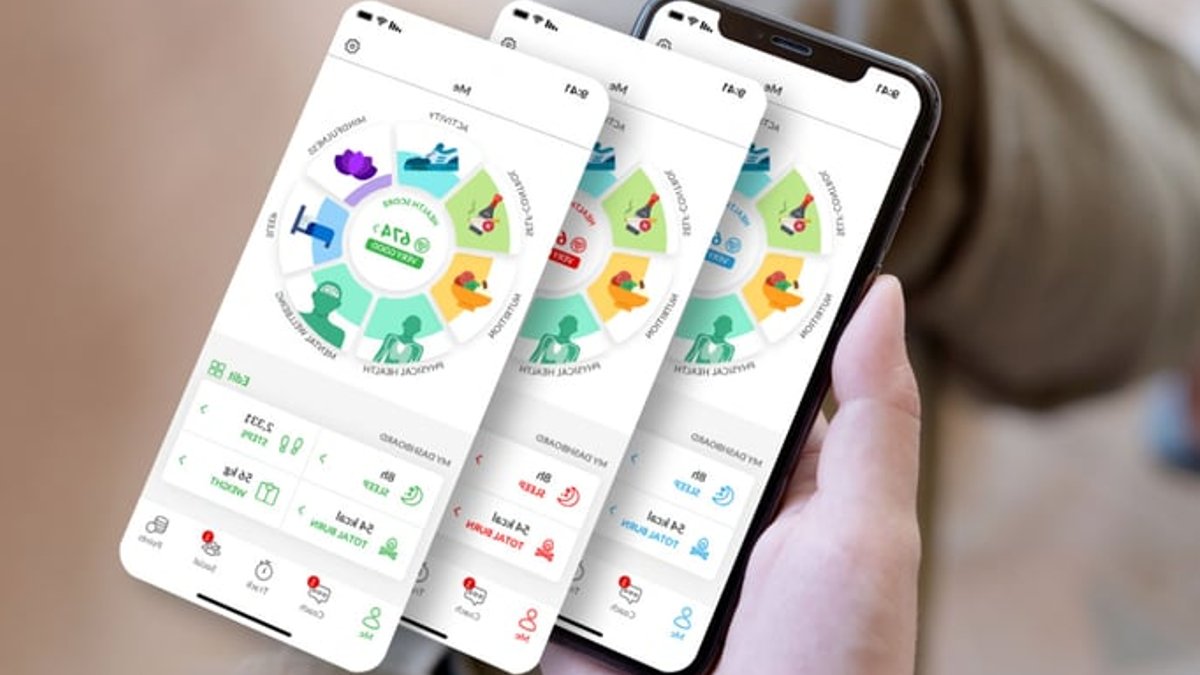
One emerging model is the Integrated Insurance Operator, which merges insurance with digital health ecosystems. These platforms go beyond paying claims by helping prevent them. Features like telemedicine, fitness tracking, and AI-driven coaching keep users engaged through branded apps.
Build, buy, or partner?
Transitioning to wellbeing presents challenges. Insurers must choose between developing capabilities internally, acquiring them, or collaborating with specialized firms. Each option has advantages and drawbacks.
Related: Insurance expert Jon Whiteley on M&A trends
In-house development offers control but requires time. Acquisitions accelerate innovation but carry integration risks. Partnerships allow insurers to test new services with minimal upfront investment. Many are choosing this route, working with health-tech companies to launch digital ecosystems in months instead of years.
A Digital Health Engagement Platform (DHEP) helps bridge the gap. These systems use behavioral science to encourage healthier habits, such as gamifying exercise or providing tailored coaching. The aim extends beyond reducing claims—it makes insurance feel essential in daily life.
Some platforms also support dynamic pricing, adjusting premiums based on real-time lifestyle data. Policyholders who exercise regularly may receive lower rates, while those with high-risk behaviors get targeted interventions. The technology creates a feedback loop benefiting both insurer and customer.
For insurers, the benefits include fewer claims and higher retention. The larger opportunity lies in brand loyalty. In a competitive market, companies that stand out will be those acting as health partners, not just providers of the cheapest policies.
One company offering such solutions is dacadoo, whose platform blends gamification, social features, and automated coaching. Its Health Score system, available as a white-label or API solution, uses over 300 million person-years of clinical data to assess health risks and simplify underwriting. The approach promises better health for customers and lower costs for insurers.
The Asian insurance market will change—the speed of that change remains uncertain. The tools and demand exist, but the industry must move beyond outdated practices to meet evolving needs.
Private insurers in the region are also exploring blockchain to improve transparency and efficiency in claims processing.

Asian insurers must embrace enterprise blockchain


