


Envalior and Secara Partner to Boost PCR in Automotive Sector
Polymer manufacturer Envalior and recycling technology specialist Secara have signed a memorandum of understanding to explore the use of post-consumer recycled (PCR) material in high-performance engineering polymers for the automotive sector.
Meeting EU regulations
Under the agreement, Envalior will work with Secara to test and validate pathways for incorporating high-quality PCR content into technical material grades using Secara’s catalytic depolymerisation process.
The collaboration between the German partners is aimed at developing scalable circular material solutions for automotive manufacturers and Tier 1 suppliers ahead of the European Commission’s new End-of-Life Vehicles Regulation.
The regulation will require at least 15% of the plastic used in new vehicles to come from recycled sources six years after its entry into force. This requirement will increase to 25% after 10 years.
Significantly, 20% of the recycled content must come from closed-loop sources, meaning material recovered from end-of-life vehicles or components removed during a vehicle’s use phase.
The automotive industry is under pressure to adapt to stricter environmental standards, with recycled materials becoming a key focus. This partnership reflects a broader trend where companies are proactively seeking innovative solutions to meet regulatory demands while maintaining product quality.
Chemical recycling
‘Circularity is one of the defining shifts facing the automotive industry, and it can only be solved through strong partnerships across the value chain,’ says Christophe Cazabeau, evp performance materials at Envalior.
According to Envalior, mechanical recycling alone cannot meet the closed-loop requirements for demanding automotive applications because of technical and quality constraints. The company sees Secara’s chemical recycling process as a potential route to combine high performance with regulatory compliance.
Secara’s depolymerisation technology handle industrial mixed-waste streams containing materials such as glass fibres, flame retardants, additives and other contaminants. Target polymers are broken down and converted into ‘drop-in-quality’ monomers.
‘Our recycling process is designed to handle the large industrial mixed-waste streams,’ says Secara ceo Fabian Nagel. ‘We selectively break up the target polymers in those waste streams and transform them into drop-in quality monomers.’
Polyamide 6
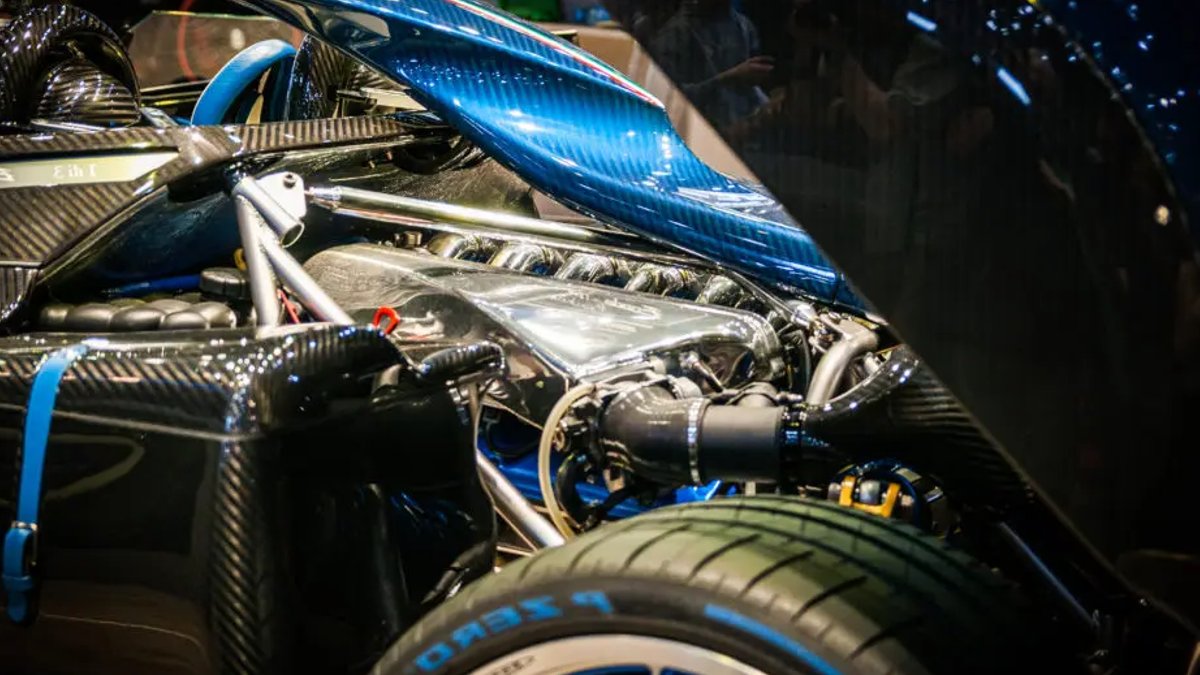
The initial focus is PCR-derived caprolactam for Polyamide 6. PA6 is an engineering plastic that is strong, relatively lightweight, heat-resistant and chemically resistant. Those properties make it useful for components that need to withstand demanding conditions under the bonnet and elsewhere in a vehicle. Typical automotive applications include engine parts and covers, cooling-system components and electrical connectors and housings.
The objective is to produce material capable of delivering the same performance as virgin PA6. Secara’s monomers are designed to be fed directly into existing polymerisation processes without changes to equipment, product design or qualification procedures.
Envalior said this drop-in potential could help accelerate adoption of circular PA6 in automotive applications while supporting supply-chain decarbonisation.


