


CatIQ pegs Jasper wildfire losses at $1.3bn
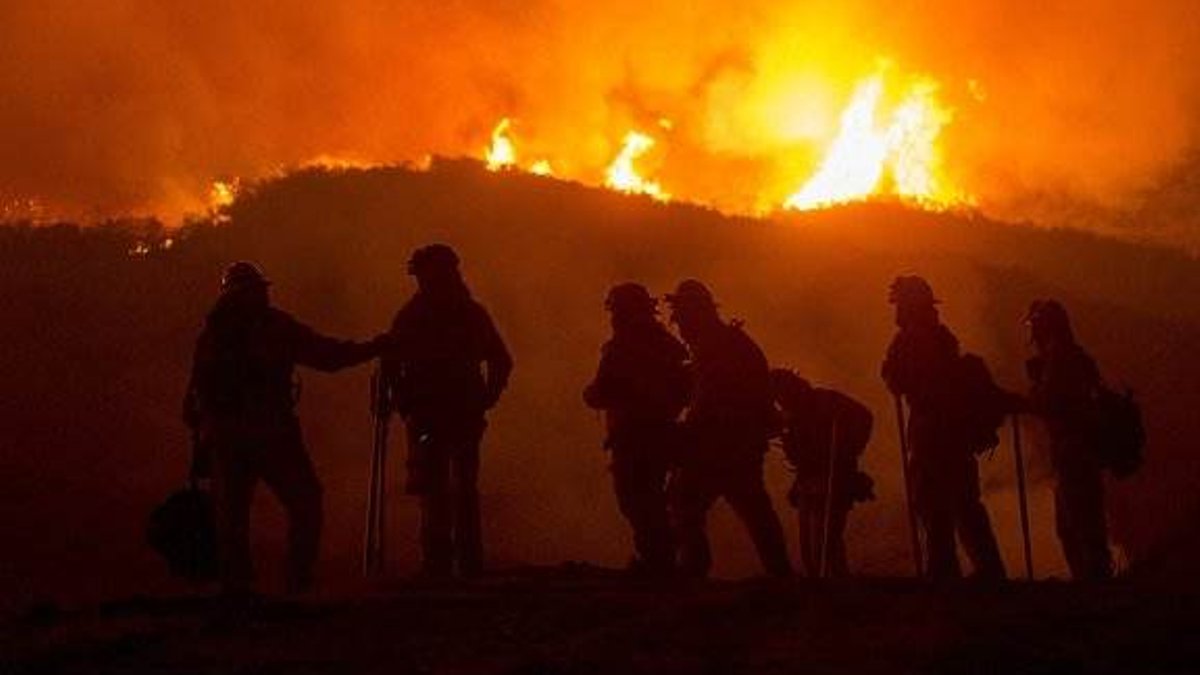
Canada’s insurance industry has set the final loss estimate for the 2024 Jasper wildfires at C$1.30 billion, according to CatIQ, the country’s insured loss and exposure data provider. The figure marks the sixth—and likely final—update for the disaster, which burned through the Municipality of Jasper and Jasper National Park in Alberta between July 22 and August 17 last year.
The total closely matches CatIQ’s previous projection of C$1.31 billion, released one year after the fires ended. Earlier estimates had put losses at C$1.23 billion after six months and C$880 million immediately following the event.
Jasper wildfires now the costliest Canadian fire event of the 2020s
The C$1.30 billion loss makes these fires the most expensive in Canada this decade, exceeding the combined damage of the other 11 major fire events recorded since 2020. The country has experienced at least one fire-related catastrophe every year since 2023, including five declared in 2025 alone.
Laura Twidle, CatIQ’s president and CEO, explained that while the Jasper fires affected a small area, high average claim values drove the massive loss. “Of the more than 220 events in the CatIQ catastrophe loss database, Jasper maintains the highest average claim value for both personal and commercial property,” she said.
This trend differs from other recent disasters, such as the severe storm outbreak in Saskatchewan and Manitoba in June 2026. That event, now estimated at C$850 million, involved far more claims—enough to rank third in the database by volume—but lower individual payouts. The initial estimate for those storms was C$728 million, with most of the increase coming from motor insurance lines.
CatIQ plans to release a third update on the Prairie storms on September 10, 2026, three months after they began. More detailed loss data will become available then.
Twidle pointed out that these numbers represent real people. “These events affect some of their largest investments and assets,” she said. “By the end of June this year, catastrophe claims in Canada had already exceeded 100,000.”
Related: Bermuda ILS sector poised to benefit from stablecoin growth
The Jasper fires covered less land than other major Canadian wildfires, yet their financial impact was far greater. The reason lies in the value of what was destroyed—densely built structures, high-end properties, and critical infrastructure in a national park. Unlike rural fires that burn thousands of acres with minimal insured assets, Jasper’s damage was concentrated in areas where a single claim could reach millions.
This situation isn’t limited to wildfires. Urban hailstorms, flash floods in city centers, and even small tornadoes can cause major losses if they hit the right targets. The Prairie storms, for example, didn’t need to be the most intense in history to accumulate C$850 million in claims. They simply passed through populated areas where homes, cars, and businesses were vulnerable.
CatIQ’s records show that the rising cost of disasters isn’t just about how often they occur or how large they are. Location plays a key role. A fire that misses a town by 20 miles might barely affect insurers. One that burns through a resort community or historic district can set new records.
The agency’s final estimate for Jasper concludes the 2024 fire assessment, but the broader pattern continues. With five catastrophe events already declared in 2025 and the Prairie storms still being tallied, pressure on Canada’s insurance market keeps growing.
Insurers face new challenges as climate patterns shift.
Quick turnarounds in property repairs may help reduce long-term costs for affected communities.

Bermuda ILS sector poised to benefit from stablecoin growth


